Finding Rhythm and Focus
How Dance Therapy Helps Children with ADHD

A new program launching this month proves that movement might be exactly what your child’s brain needs to find calm and focus.
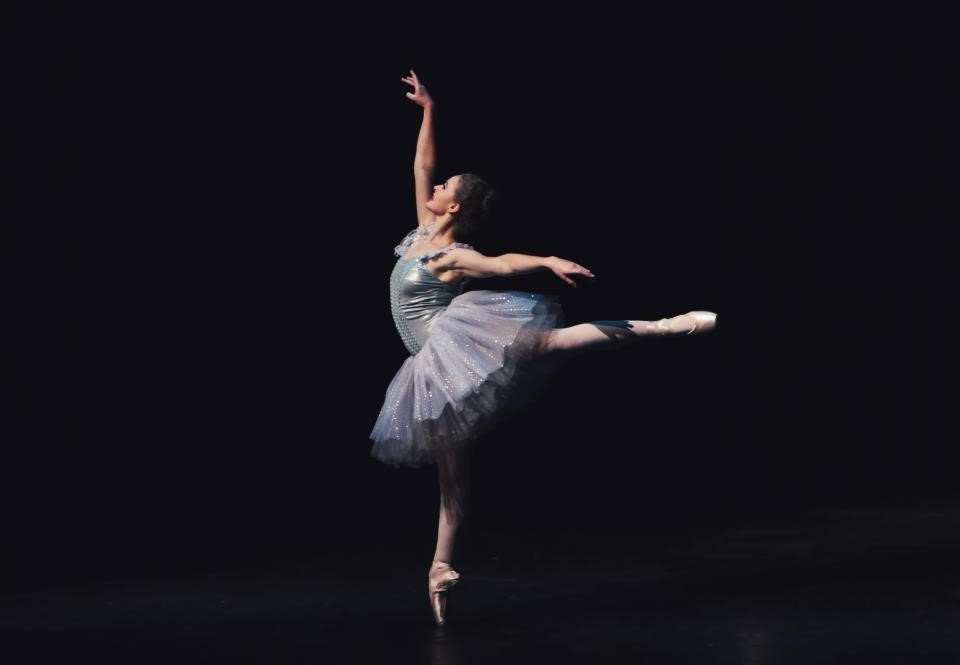
Dance and movement therapy helps children channel their energy into purposeful movement.
If you have a child with ADHD, you’ve probably tried everything. Medication, behavioral therapy, dietary changes, routine adjustments. And yet, some days feel like you’re navigating a storm without a compass.
Here’s something you might not have considered: what if the very thing that makes your child seem “unable to sit still” could become their greatest strength?
A new program called “Dance for Joy” is launching this month, and it’s specifically designed for children with ADHD. It’s part of a growing movement recognizing that structured movement—dance—can be a powerful tool for children who struggle with focus, impulse control, and emotional regulation.
Why Movement Matters for the ADHD Brain
ADHD isn’t just about being “hyperactive.” It’s about differences in how the brain regulates dopamine and handles executive functions. Children with ADHD often struggle to sit still, regulate emotions, and control impulses—not because they don’t want to, but because their brains are wired differently.
Here’s the thing: physical activity naturally boosts dopamine and endorphin levels. When your child dances, their brain gets exactly what it needs—without any side effects.
💡 Bright Insight
Research shows that children with ADHD who participate in regular movement activities demonstrate improved self-regulation, better impulse control, and enhanced ability to focus on cognitive tasks—even after the physical activity ends.
What Happens in a Dance Therapy Session?
Dance therapy isn’t about teaching your child perfect pirouettes. It’s about using movement to build skills they struggle with: focus, self-control, and emotional expression.
In a typical session, children learn to start and stop movements in response to music. They practice waiting for their turn. They mirror their peer’s movements, learning non-verbal communication. And they channel all that pent-up energy into something beautiful.
Sound simple? That’s the point. These “simple” activities are actually powerful exercises in impulse control. When your child learns to stop dancing when the music stops, they’re training their brain to pause before reacting in everyday situations.
⚓ Lighthouse Strategy: Bringing Movement Home
You don’t need a formal dance therapy program to help your child. Here’s how to bring the benefits of movement into your daily life:
Five Ways to Channel Movement into Focus
Create a “movement break” routine. Before homework, let your child jump on a trampoline or dance to one song. Use the energy, don’t fight it.
Use rhythm for transitions. Clap or beat a drum when it’s time to switch activities. The predictability helps.
Try “stop and go” games. Simon Says, freeze dance, or simple start/stop activities build impulse control naturally.
Let them teach you. Ask your child to show you a dance move. Teaching reinforces learning and builds confidence.
Find a community program. Look for dance classes, martial arts, or swimming—activities that combine physical exertion with mental focus.
The Social Piece
Children with ADHD often struggle socially. They might miss social cues, act impulsively, or become overwhelmed in group settings. Dance therapy addresses this directly.
Group activities require cooperation, timing, and awareness of others. Your child learns to work alongside peers, take turns, and communicate without words. For a child who might feel “different” or struggle in traditional classroom settings, this can be transformative.
A Different Way Forward
Dance therapy isn’t a cure for ADHD. It’s not a replacement for medication or other treatments that work for your family. But it offers something valuable: a way to celebrate what makes your child different.
Instead of constantly telling your child to “sit still,” dance invites that boundless energy in. It says: your body is capable of amazing things. Let’s find your rhythm.
Programs like “Dance for Joy” are popping up across the country because families are discovering what researchers have been saying: movement isn’t the opposite of focus. For children with ADHD, it might be the path to it.
“After the first year of him dancing, he came off his meds… and he is a different child.”
— Parent, featured in Dance helps 11-year-old overcome ADHD
Your move.
Find a dance class, create a movement break, or simply put on music and dance together. Your child’s brain will thank you.
Enjoyed this article?
Get practical strategies delivered to your inbox every week.